Healdsburg, CA · Sonoma County
Whole-Building Fire & Smoke Odor Removal in Healdsburg, CASurface Sealing For Residual Odor & Whole-House Air Scrubbing
Whole-Building Fire & Smoke Odor Removal in Healdsburg uses whole-house air scrubbing, thermal fogging deodorization, and HVAC duct smoke cleaning.
Answered 24/7
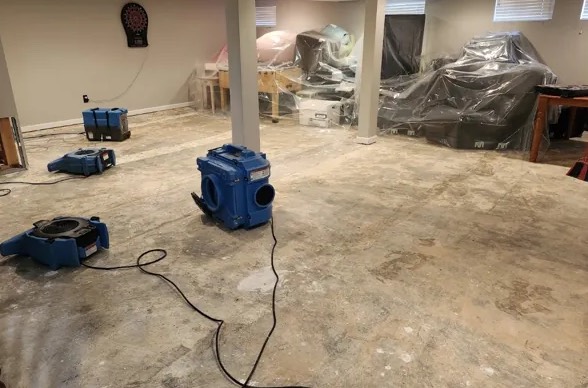
Professional Whole-Building Fire & Smoke Odor Removal in Healdsburg, CA
An HVAC system can spread smoke odor through the whole building every time the blower runs. Cleaned rooms can smell again if the ducts are skipped.
For homes in Healdsburg and nearby Windsor, Guerneville and Forestville, treating the air alone is not enough because odor binds to surfaces. Local pros clean, deodorize, and then seal porous materials.
Advanced Fire Odor Removal Techniques
Surface Sealing for Residual Odor
After cleaning, local fire odor removal pros seal framing, subfloors, and concrete with an odor-blocking coating so trace odor stays locked in.
Whole-House Air Scrubbing
The pros run scrubbers through the cleanup so soot stirred up by cleaning is caught instead of drifting back onto fabrics.
Ozone Treatment for Smoke Odor
Ozone generators oxidize odor compounds in the air and on surfaces, which helps with strong chemical smells from burned plastics.
Fire Damaged Material Removal
In Healdsburg, damaged flooring and framing are taken out before deodorizing, so treatment is not wasted on materials that will be replaced.
Thermal Fogging Deodorization
In Healdsburg, the pros fog closed rooms so the deodorant fills gaps behind cabinets and above ceilings that wiping cannot reach.
Warning Signs of Persistent Smoke Odor
Stinging Sensation in Eyes or Throat
Stinging eyes or a scratchy throat indoors can come from smoke particles still in the air after the fire is out.
Metallic or Chemical Odor Present
A sharp chemical or metallic smell usually comes from burned plastics or synthetics and needs stronger deodorizing than cleaning alone.
Soot in Electrical Outlets
Fine soot inside outlets and behind switch plates shows smoke reached into wall cavities, not just room surfaces.
Smell Emanates From HVAC Vents
A smoky smell coming from vents means the HVAC system is carrying odor from the ducts into every room.
How Whole-Building Fire & Smoke Odor Removal Works in Healdsburg
Step 1: Comprehensive Soot Removal
Dry and wet cleaning remove visible soot, which carries much of the lingering smoke odor.
Step 2: Deep HVAC System Decontamination
The HVAC system is cleaned and deodorized, since dirty ducts are a common source of returning smells.
Step 3: Advanced Oxidizing Treatments
Ozone or hydroxyl treatment breaks down odor molecules left in the air and in porous materials.
Step 4: Final Deodorization and Cleaning
A final round of cleaning and deodorizing follows, and pros check each room for odor before finishing.
Common Causes of Persistent Fire Odor
Residual Oils From Incomplete Combustion
Oily residue from burned materials keeps giving off odor long after the fire is put out.
Burning of Synthetic Materials
Burning furniture and plastics produce thick, oily smoke that leaves a sticky, strong-smelling residue on every surface.
Secondary Water Damage
Water used to fight the fire can spread soot into new areas and carry odor into floors and wall cavities.
Incomplete Post-Fire Cleaning
Wiping and vacuuming after a fire often misses fine smoke particles lodged in porous surfaces and floating in the air.
Comprehensive Odor Solutions for Any Building
Residential Whole-Building Fire & Smoke Odor Removal
Homeowners need both the structure and their belongings treated. Pros clean personal items and fog the building so the smell leaves the whole living space.
Commercial Whole-Building Fire & Smoke Odor Removal
Restaurants and stores need merchandise, equipment, and ductwork cleaned so smoke odor does not drive customers away after reopening.
When to Call Fire Odor Removal Pros for Smoke Smell
Replace the furnace filter and wipe the vent covers. Baking soda on carpets before vacuuming can pull out some surface odor, but odor inside the ducts needs professional cleaning.
Understanding Whole-Building Fire & Smoke Odor Removal Cost Factors
The number of rooms to treat and the methods needed, such as thermal fogging or ozone, drive most of the cost of whole-house odor removal.
HVAC System Contamination
Cleaning ducts and HVAC parts adds equipment time and access work to the job.
Content Cleaning Scope
The number and type of belongings to clean, and whether they go off-site, affect time and cost.
Severity of Smoke Penetration
Heavy smoke residue needs more cleaning passes and repeat treatments than light surface soot does.
Does Insurance Cover Whole-Building Fire & Smoke Odor Removal?
Coverage depends on your policy and the cause of the fire. The pros document the damage with photos and notes; confirm coverage directly with your insurance provider.
Selecting the Pros for Your Project
Comprehensive Odor Attack Plan
Air scrubbing, fogging, and sealing together treat both airborne odor and odor held inside materials.
IICRC-Standard Deodorization Methods
Pros follow established smoke odor protocols, treating odor at its source instead of covering it with fragrance.
24/7 Emergency Response
Smoke odor sets into materials over time, so starting quickly limits how deep it soaks in.
24/7 Emergency Whole-Building Fire & Smoke Odor Removal Response
Odor removal after a fire is easier when it starts soon. For fire and smoke odor cleanup from local pros, call (707) 940-7128 at any hour.
Call Now (707) 940-7128Areas Served for Whole-Building Fire & Smoke Odor Removal
The places below are also served, and each one has its own page.
- Whole-Building Fire & Smoke Odor Removal in Windsor
- Whole-Building Fire & Smoke Odor Removal in Guerneville
- Whole-Building Fire & Smoke Odor Removal in Forestville
- Whole-Building Fire & Smoke Odor Removal in Larkfield-Wikiup
- Whole-Building Fire & Smoke Odor Removal in Graton
- Whole-Building Fire & Smoke Odor Removal in Saint Helena
- Whole-Building Fire & Smoke Odor Removal in Boyes Hot Springs
- Whole-Building Fire & Smoke Odor Removal in Deer Park
Frequently Asked Questions About Whole-Building Fire & Smoke Odor Removal
How is success measured in fire smoke odor elimination?
Pros check each room for remaining smoke odor after treatment and may use particle counters to confirm the air is clean.
Why is HVAC duct smoke cleaning necessary?
Soot in the ducts spreads odor every time the system runs. Cleaning the ducts stops that cycle so treated rooms stay fresh.
What's the difference between cleaning and deodorizing?
Cleaning removes visible soot residue, while deodorizing breaks down the odor molecules left behind. Most fire jobs need both steps.
What happens during content decontamination and cleaning?
Belongings are listed, cleaned with methods suited to each material, and often deodorized so they can be kept instead of discarded.
Will opening windows get rid of smoke smell in home?
Airing out helps with smoke in the air at first, but it does not remove odor soaked into walls, furniture, and carpet.