Windsor, CA · Sonoma County
Whole-Building Fire & Smoke Odor Removal in Windsor, CAElectrostatic Soot Removal & Ozone Treatment For Smoke Odor
Whole-Building Fire & Smoke Odor Removal in Windsor uses whole-house air scrubbing, thermal fogging deodorization, and HVAC duct smoke cleaning.
Answered 24/7
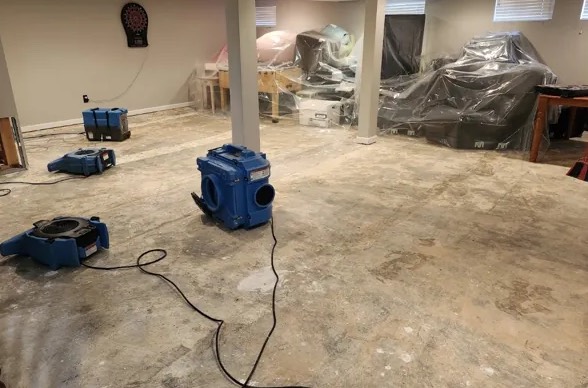
Total Building Deodorization in Windsor, CA
Smoke odor is a mix of gases and fine particles that cling to surfaces and fabrics and can irritate eyes and throats. Different residues need different treatments.
Homes in Windsor and nearby areas like Larkfield-Wikiup, Healdsburg and Forestville share building styles that affect how smoke spreads through attics and walls. Local smoke odor elimination experts fog and ozone-treat the materials found in these homes.
Methods for Whole-Building Fire & Smoke Odor Removal in Windsor
Electrostatic Soot Removal
In Windsor, local restoration pros use electrostatic methods on soot-covered surfaces that would smear under a wet sponge.
Ozone Treatment for Smoke Odor
The professionals in Windsor treat empty, closed spaces with ozone, which reaches every corner and breaks down acrid smoke odor.
Fire Damaged Material Removal
Removing porous burned items lowers the odor load, which makes later cleaning and sealing work much better.
Whole-House Air Scrubbing
For properties in Windsor, scrubbers can run under negative pressure, drawing smoky air through several filter stages and out of the building.
HVAC Duct Smoke Cleaning
Supply and return ducts, registers, and the air handler are all cleaned to remove soot and tar that would otherwise circulate.
Indicators That DIY Odor Removal Has Failed
Odor Stronger on Humid Days
A smoke smell that gets stronger on damp days means odor is trapped in porous materials and released when moisture rises.
Stinging Sensation in Eyes or Throat
Stinging eyes or a scratchy throat indoors can come from smoke particles still in the air after the fire is out.
Soot Residue on Walls and Ceilings
Black or gray soot on walls and ceilings shows smoke residue that household cleaners tend to smear rather than remove.
Odor Returns After Opening Windows
When airing out the house does not clear the smell, smoke odor has worked its way into walls, floors, or furniture.
How Whole-Building Fire & Smoke Odor Removal Works in Windsor
Step 1: Source Removal and Cleaning
Burned materials are removed first, and electrostatic cleaning lifts soot from the walls and ceilings that remain.
Step 2: HVAC Duct Smoke Cleaning
The ductwork and air handler are cleaned so the HVAC system stops moving smoky air through the building.
Step 3: Ozone Treatment for Smoke Odor
Ozone generators run in the closed, empty building to break down the odor compounds that remain.
Step 4: Final Air Quality Verification
Pros check the building for any remaining smoke odor before it is reoccupied and the job is closed out.
Sources of Recurring Smoke Odor in Buildings
Inadequate Ventilation During Fire
With windows and doors closed during a fire, smoke stays concentrated indoors and soaks deeper into materials.
Contaminated HVAC Ductwork
An HVAC system running during a fire pulls smoky air into the ducts and coats their insides with soot.
Secondary Water Damage
Water used to fight the fire can spread soot into new areas and carry odor into floors and wall cavities.
Incomplete Post-Fire Cleaning
Wiping and vacuuming after a fire often misses fine smoke particles lodged in porous surfaces and floating in the air.
Comprehensive Odor Solutions for Any Building
Residential Whole-Building Fire & Smoke Odor Removal
In homes, every living space usually needs treatment. Local pros run air scrubbers and clean contents so bedrooms, closets, and belongings stop smelling of smoke.
Commercial Whole-Building Fire & Smoke Odor Removal
Businesses need odor gone before reopening. The professionals clean the ducts and fog lobbies, offices, and stock rooms so customers and staff are not met by smoke smell.
Whole-Building Fire & Smoke Odor Removal vs. DIY Odor Removal Methods
Photograph the damage before cleaning or moving anything, and list affected belongings. Share the photos with your insurer, then leave deodorizing of walls and contents to pros.
What Influences Fire Odor Removal Pricing
The number of rooms to treat and the methods needed, such as thermal fogging or ozone, drive most of the cost of whole-house odor removal.
Content Cleaning Scope
The number and type of belongings to clean, and whether they go off-site, affect time and cost.
Deodorization Method Required
Thermal fogging and ozone treatment use different equipment, and some jobs need both methods.
Severity of Smoke Penetration
Heavy smoke residue needs more cleaning passes and repeat treatments than light surface soot does.
Does Insurance Cover Whole-Building Fire & Smoke Odor Removal?
Whether insurance covers smoke odor removal is the adjuster's decision. The experts provide reports and photos to support your conversation with the insurer.
Why Whole-Building Fire & Smoke Odor Removal Demands Professional Expertise
Thorough Soot Removal
Electrostatic cleaning removes fine soot from surfaces, which has to happen before deodorizing can work.
Content Salvage Focus
Belongings are cleaned and deodorized so items that might otherwise be thrown out can often be kept.
Specialized Odor Removal Equipment
Ozone generators, thermal foggers, and HEPA scrubbers are built for odor work that household tools cannot do.
Emergency Deodorization Services for Windsor
Deodorizing works better before odor settles deep into walls and furniture. Call (707) 940-7128 at any hour for an initial assessment of the smoke damage.
Call Now (707) 940-7128Areas Served for Whole-Building Fire & Smoke Odor Removal
Other places served are listed below, each with its own page.
- Whole-Building Fire & Smoke Odor Removal in Larkfield-Wikiup
- Whole-Building Fire & Smoke Odor Removal in Healdsburg
- Whole-Building Fire & Smoke Odor Removal in Forestville
- Whole-Building Fire & Smoke Odor Removal in Graton
- Whole-Building Fire & Smoke Odor Removal in Guerneville
- Whole-Building Fire & Smoke Odor Removal in Cotati
- Whole-Building Fire & Smoke Odor Removal in Kenwood
- Whole-Building Fire & Smoke Odor Removal in Penngrove
Frequently Asked Questions About Whole-Building Fire & Smoke Odor Removal
Can fire smells come back after treatment?
They can if treatment is incomplete. Cleaning the ducts and sealing porous surfaces keeps odor from coming back after the work.
What's the difference between cleaning and deodorizing?
Cleaning removes visible soot residue, while deodorizing breaks down the odor molecules left behind. Most fire jobs need both steps.
What materials typically require fire damaged material removal?
Charred wood, melted plastics, contaminated insulation, and anything that cannot be cleaned or is unsafe are removed and disposed of.
Why is HVAC duct smoke cleaning necessary?
Soot in the ducts spreads odor every time the system runs. Cleaning the ducts stops that cycle so treated rooms stay fresh.
What is the first step in smoke damage cleanup?
Pros assess the damage, then remove burned debris and soot-covered materials so deep cleaning can begin.