San Rafael, CA · Marin County
Floor Mold Removal in San Rafael, CAFloor Mold Inspection & Laminate Flooring Mold Treatment
Reliable Floor Mold Removal in San Rafael involves floor mold inspection, moldy subfloor removal, and hardwood floor mold removal.
Answered 24/7
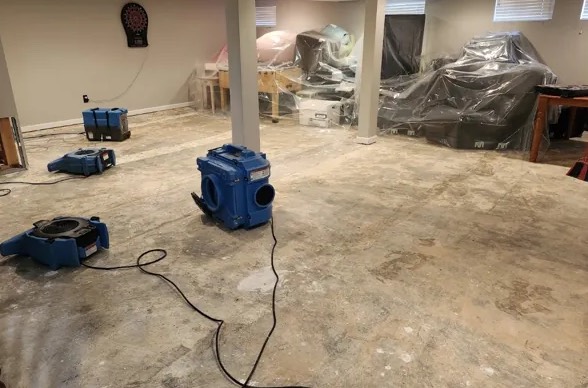
Floor Mold Removal by Local Mold Remediation Pros in San Rafael
Carpet mold remediation in San Rafael eliminates allergens and prevents fiber degradation from mold damage. Proper treatment involves deep cleaning and drying to restore a healthy indoor environment.
In San Rafael and nearby places like San Anselmo, Larkspur and Corte Madera, moldy floor cleanup prevents allergens from black mold on floor from affecting indoor air. Local mold remediation pros use advanced techniques for flooring replacement after mold and mold inspection floor services. Their 24/7 operation caters to urgent situations.
Floor Mold Removal Scope of Work in San Rafael
Floor Mold Inspection
A comprehensive floor mold inspection assesses the contamination level, determining if cleaning or removal is needed for your specific flooring type.
Laminate Flooring Mold Treatment
Laminate floor mold treatment often means removing affected planks to treat the subfloor underneath, as moisture gets trapped beneath the waterproof surface.
Hardwood Floor Mold Removal
This specialized removal focuses on the wood's grain where mold hides, using appropriate cleaners to restore the floor's appearance in San Rafael homes.
Emergency Floor Mold Containment
Emergency containment sets up critical barriers and deploys negative air machines to isolate the mold-affected floor area from the rest of your living space.
Moldy Subfloor Removal
Removing a moldy subfloor stops structural decay and spore circulation; local pros then ensure the new installation meets current building standards.
Indicators for Floor Mold Removal in San Rafael
Increased Allergy Symptoms Indoors
Unexplained allergy flare-ups, respiratory issues, or itchy eyes at home can be caused by airborne mold spores from a floor infestation.
Visible Mold on Baseboards
Mold growth creeping up baseboards or walls from the floor junction is a clear sign the flooring mold treatment area is expanding.
Discolored or Stained Flooring
Unexplained dark spots, water stains, or fading on carpets, hardwood, or tile can point to mold spores on floor surfaces.
Warped or Buckling Floorboards
Hardwood or laminate planks that are cupping, buckling, or lifting often have moisture and mold damage underneath that needs assessment.
How Floor Mold Removal Works in San Rafael
Step 1: Floor Mold Inspection and Assessment
The pros begin with a thorough visual and moisture inspection of the affected flooring, baseboards, and subfloor to map the extent of mold contamination and moisture sources.
Step 2: Emergency Floor Mold Containment
To prevent cross-contamination, pros set up physical barriers and negative air pressure with HEPA filtration, isolating the work area from the rest of the property.
Step 3: Moldy Flooring Removal and Treatment
Irreparably damaged materials like moldy carpet, padding, or sections of subfloor are carefully removed and bagged. Salvageable surfaces undergo antimicrobial cleaning and drying.
Step 4: Final Verification and Clearance
After drying is complete, a post-remediation verification check ensures moisture levels are normalized and the area is visually clean, indicating successful floor mold remediation.
Primary Sources of Floor Mold Damage
High Indoor Humidity Levels
Consistently high relative humidity, often from poor ventilation or AC issues, allows condensation to form on cooler floor surfaces, feeding mold.
Previous Incomplete Mold Cleanup
Attempts at mold removal services that didn't address the moisture source or fully remove contaminated materials lead to recurring mold problems.
Landscape or Grading Issues
Improper yard grading or missing gutter downspouts can direct stormwater toward the foundation, where it seeps into basement or slab floors.
Roof or Window Leaks
Water intrusion from a leaky roof or windows can travel down wall cavities and pool under flooring, creating hidden mold reservoirs.
Floor Mold Removal for Homes and Businesses
Residential Floor Mold Removal
Moldy floor cleanup in your home prevents property damage and allergen exposure. The pros in San Rafael handle mold under laminate in kitchens, on bathroom tile grout, and in basement concrete slabs to ensure your home's floors are clean and stable.
Commercial Floor Mold Removal
For businesses, flooring mold treatment addresses liability and operational continuity. The experts perform emergency floor mold containment in warehouses, remediate mold in office HVAC drip pans under floors, and ensure facilities meet health standards post-remediation.
The Risks of DIY Floor Mold Removal in San Rafael
For a recent, clean water spill, use a wet-dry vacuum on hard surfaces. Move furniture off wet carpet. For gray or black water, or flooring damp over 48 hours, professional mold removal services are necessary to prevent mold.
Investment Considerations for Floor Mold Removal
For floor mold cleanup in San Rafael, cost factors include the type of mold present and the necessary drying time post-remediation. Projects requiring moldy subfloor removal or extensive antimicrobial treatment will have different price considerations.
Access and Obstacles
Furniture moving, limited workspace, and the need to protect unaffected areas can increase the time and labor for mold removal services.
Subfloor Condition
Moldy subfloor removal adds significant labor and material costs, especially if structural repairs or concrete slab mold mitigation are necessary after demolition.
Containment Complexity
Emergency floor mold containment setups, including physical barriers and negative air machines, add to project costs to prevent cross-contamination.
Does Insurance Cover Floor Mold Removal?
For moldy floor cleanup, the underlying water intrusion typically must be sudden and accidental for insurance. Gradual leaks are often excluded. Local pros methodically document visible mold and moisture levels. Coverage decisions are made by the insurance company.
Selecting the Pros for Floor Mold Removal
Focused Subfloor Expertise
The pros have specific experience with moldy subfloor removal and concrete slab mold mitigation, which are complex aspects of floor mold removal.
IICRC-Standard Remediation Methods
The pros follow industry-standard protocols for containment, removal, and cleaning to address mold spores on floor effectively and safely.
Material-Specific Treatment Protocols
Techniques differ for carpet mold remediation, tile and grout mold cleanup, and laminate flooring mold treatment to protect your flooring's integrity.
24/7 Emergency Floor Mold Removal in San Rafael
Mold spores on floor can spread through your HVAC system, making early action critical. If you need emergency floor mold removal services in the San Rafael area, contact the pros at (707) 940-7128 for urgent help.
Call Now (707) 940-7128Extended Floor Mold Removal Service Region
The places below are also served, and each one has its own page.
Essential Floor Mold Removal FAQ Guide
How is tile and grout mold cleanup performed?
Tile and grout mold cleanup involves scrubbing with EPA-registered fungicides, steam cleaning, and often regrouting if the mold has deeply penetrated the porous grout material to ensure complete removal.
What happens during a mold inspection for floors?
A mold inspection floor assessment involves visual examination, moisture meter and thermal imaging scans to find hidden dampness, and sometimes air or surface sampling to identify mold spore types and levels.
Why is concrete slab mold mitigation important?
Mold growth on or under a concrete slab can affect indoor air quality and lead to dry rot in adjoining wood framing. Mitigation involves addressing the moisture source and treating the concrete.
Can black mold on floor be completely removed?
Yes, with proper floor mold remediation protocols. This involves removing porous materials with deep growth, like affected carpet or subflooring, and cleaning non-porous surfaces with specialized antimicrobial agents.
What flooring is most resistant to mold growth?
Non-porous materials like ceramic tile, vinyl plank, and properly sealed concrete are most resistant. However, grout lines and subfloors beneath any flooring can still harbor mold if moisture is present.