Santa Rosa, CA · Sonoma County
Building Fire & Smoke Odor Removal in Santa Rosa, CAAir Scrubbing For Whole Buildings & Ozone Treatment For Smoke Odor
Building Fire & Smoke Odor Removal in Santa Rosa covers electrostatic soot removal, fire damaged material removal, and whole-house air scrubbing.
Answered 24/7
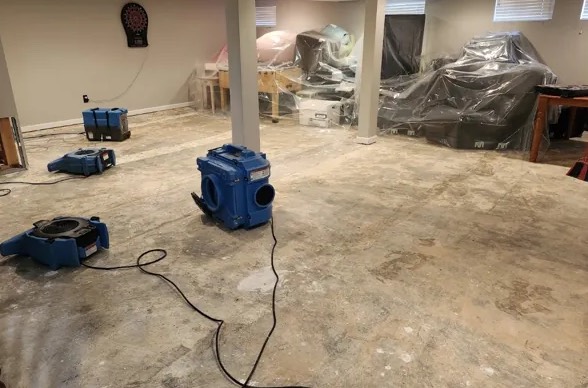
Complete Building Fire & Smoke Odor Removal for Santa Rosa Homes & Businesses
For homes in Santa Rosa, getting rid of smoke smell means removing burned material, cleaning what can be saved, and deodorizing in that order. Skipping a step often leaves odor behind.
For homes in Santa Rosa and nearby Montgomery Village, Roseland and Larkfield-Wikiup, treating the air alone is not enough because odor binds to surfaces. Local pros clean, deodorize, and then seal porous materials.
Whole-Building Deodorization Process
Air Scrubbing for Whole Buildings
Scrubbers run during soot cleaning and deodorizing, removing particles stirred up as each area of the building is worked on.
Ozone Treatment for Smoke Odor
Ozone treats the full air volume of a room. People, pets, and plants stay out until the space is aired out again.
Thermal Fogging Deodorization
In Santa Rosa, local fire restoration professionals fog closed rooms so the deodorant fills gaps behind cabinets and above ceilings that wiping cannot reach.
Whole-House Air Scrubbing
For properties in Santa Rosa, scrubbers can run under negative pressure, drawing smoky air through several filter stages and out of the building.
Electrostatic Soot Removal
In Santa Rosa, local restoration pros use electrostatic methods on soot-covered surfaces that would smear under a wet sponge.
How to Tell If You Need Building Fire & Smoke Odor Removal
Smoke Odor in Closed Cabinets
Items inside closed cabinets that smell of smoke show the odor has passed through gaps and seals throughout the house.
Soot Residue on Walls and Ceilings
Black or gray soot on walls and ceilings shows smoke residue that household cleaners tend to smear rather than remove.
Smell Emanates From HVAC Vents
A smoky smell coming from vents means the HVAC system is carrying odor from the ducts into every room.
Persistent Smoky Odor in Rooms
A fire smell that stays in several rooms after cleaning means odor has soaked into the building, not just the surfaces.
How Building Fire & Smoke Odor Removal Works in Santa Rosa
Step 1: Comprehensive Soot Removal
Dry and wet cleaning remove visible soot, which carries much of the lingering smoke odor.
Step 2: Deep HVAC System Decontamination
The HVAC system is cleaned and deodorized, since dirty ducts are a common source of returning smells.
Step 3: Advanced Oxidizing Treatments
Ozone or hydroxyl treatment breaks down odor molecules left in the air and in porous materials.
Step 4: Final Deodorization and Cleaning
A final round of cleaning and deodorizing follows, and pros check each room for odor before finishing.
What Makes Fire Odor So Difficult to Remove
Residual Oils From Incomplete Combustion
Oily residue from burned materials keeps giving off odor long after the fire is put out.
Secondary Water Damage
Water used to fight the fire can spread soot into new areas and carry odor into floors and wall cavities.
Incomplete Post-Fire Cleaning
Wiping and vacuuming after a fire often misses fine smoke particles lodged in porous surfaces and floating in the air.
Improper Initial Odor Mitigation
Air fresheners and surface cleaners only cover the smell and leave the residue that causes it in place.
Comprehensive Odor Solutions for Any Building
Residential Building Fire & Smoke Odor Removal
In homes, smoke odor in the HVAC system reaches every room. Pros clean the ducts, use electrostatic soot removal, and treat with ozone while the family is out.
Commercial Building Fire & Smoke Odor Removal
Commercial buildings have large air volumes to treat. Pros use industrial equipment for air scrubbing, removal of burned material, and sealing across whole floors.
The Limits of DIY Fire Odor Elimination
Photograph the damage before cleaning or moving anything, and list affected belongings. Share the photos with your insurer, then leave deodorizing of walls and contents to pros.
Factors Affecting Building Fire & Smoke Odor Removal Expenses
The number of rooms to treat and the methods needed, such as thermal fogging or ozone, drive most of the cost of whole-house odor removal.
Deodorization Method Required
Thermal fogging and ozone treatment use different equipment, and some jobs need both methods.
Affected Material Types
Porous materials like drywall and upholstery often need special treatment or removal, which adds work.
Severity of Smoke Penetration
Heavy smoke residue needs more cleaning passes and repeat treatments than light surface soot does.
Does Insurance Cover Building Fire & Smoke Odor Removal?
Coverage depends on your policy and the cause of the fire. The professionals document the damage with photos and notes; confirm coverage directly with your insurance provider.
The Advantage of Local Fire Odor Specialists
Thorough Soot Removal
Electrostatic cleaning removes fine soot from surfaces, which has to happen before deodorizing can work.
24/7 Emergency Response
Smoke odor sets into materials over time, so starting quickly limits how deep it soaks in.
Residual Odor Prevention
Sealing porous surfaces locks in trace odor that cleaning misses, so it does not return after repairs.
Emergency Deodorization Services for Santa Rosa
Odors set quickly after a fire, so an early start matters. Call (707) 940-7128 day or night for an assessment and first steps to contain the smell.
Call Now (707) 940-7128Building Fire & Smoke Odor Removal Serving Santa Rosa, Montgomery Village, Roseland and Larkfield-Wikiup
Local smoke odor removal serves Santa Rosa and the wider area, including places like Montgomery Village, Roseland and Larkfield-Wikiup.
Frequently Asked Questions About Building Fire & Smoke Odor Removal
Will opening windows get rid of smoke smell in home?
Airing out helps with smoke in the air at first, but it does not remove odor soaked into walls, furniture, and carpet.
What's the difference between cleaning and deodorizing?
Cleaning removes visible soot residue, while deodorizing breaks down the odor molecules left behind. Most fire jobs need both steps.
How does thermal fogging deodorization work?
A heated deodorant is turned into a fine fog that travels into porous materials and breaks down odor molecules where cleaning cannot reach.
Can fire smells come back after treatment?
They can if treatment is incomplete. Cleaning the ducts and sealing porous surfaces keeps odor from coming back after the work.
How long does fire odor remediation usually take?
It depends on severity, from a few days for a small kitchen fire to several weeks for smoke through a whole building.